Asbestos in Renovations and Abatement: Inventory, Risk Classification, Licensing, and Competency
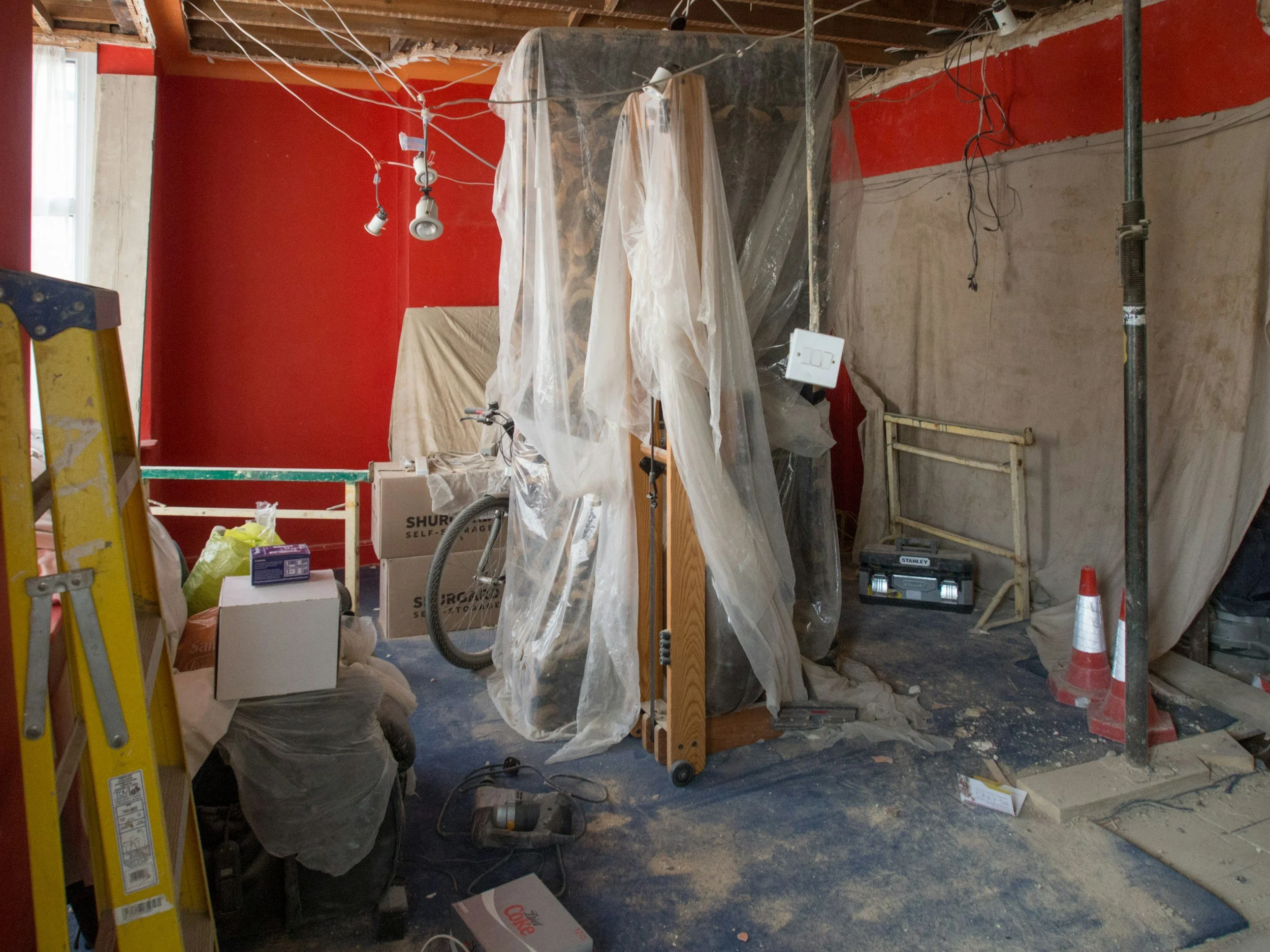
Control asbestos disturbance risks and align with BC licensing/certification requirements.
Asbestos remains a leading cause of occupational disease deaths in BC, driving major regulatory attention and enforcement. WorkSafeBC’s materials describe program controls including risk assessment, exposure control plans, safe work procedures, and record keeping for handling asbestos-containing materials. OHSR Part 6 includes asbestos requirements such as classifying the work activity (low/moderate/high-risk) by a qualified person before work begins and implementing procedures to prevent/minimize airborne fibre release.
BC’s regulatory framework has added further requirements. WorkSafeBC notes that effective January 1, 2024, asbestos abatement contractors must have a license to perform asbestos abatement work in BC and employers must ensure persons performing asbestos abatement hold a valid asbestos certificate. This increases contractor management obligations for owners and prime contractors (verification of licensing/certification, documentation, and coordination).
Align asbestos control with multi-employer coordination. WorkSafeBC guidelines emphasize prime contractor coordination responsibilities for hazardous substance management in multi-employer workplaces, reinforcing that asbestos controls are not only “the abatement contractor’s problem.”
-
Maintain an asbestos inventory and disturbance triggers; classify work by a qualified person and implement ECP/SWPs; verify contractor licensing/certification and document coordination.