Confined Spaces in Municipal Infrastructure: Permits, Testing, and Rescue Preparedness
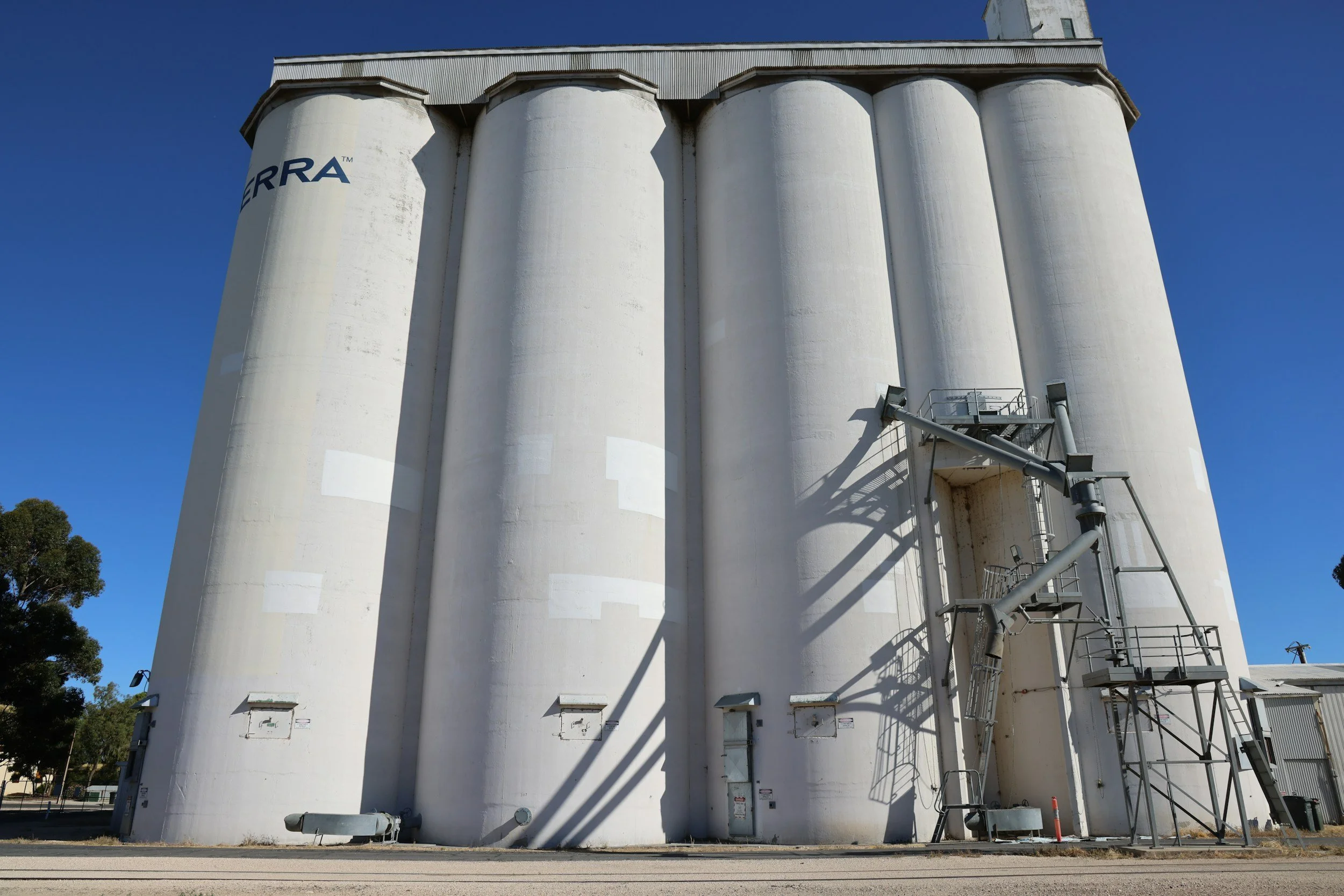
Build a confined space program with permits, testing, isolation, and rescue.
BC’s OHSR Part 9 defines and sets requirements for confined spaces and assigns responsibilities, including hazard assessment, entry procedures, and rescue planning expectations. CCOHS explains confined space hazards include oxygen deficiency and toxic gases and provides a structured “confined space program” approach.
Municipal work often includes manholes, pump stations, vaults, tanks, and wet wells—spaces with atmospheric hazards and engulfment/drowning risks. A programmatic approach is required: identification and classification of spaces, permits, atmospheric testing, isolation/lockout of hazards, rescue equipment and training, and supervision verification. Integrate lockout controls when energy sources or flows can harm workers.
-
Treat confined space work as programmatic: identify spaces and use permits; test atmospheres and isolate hazards; plan, equip, and drill rescue and document verification.