Crane Rigging Failure Prevention: Lift Planning, Exclusion Zones, and Competency Checks
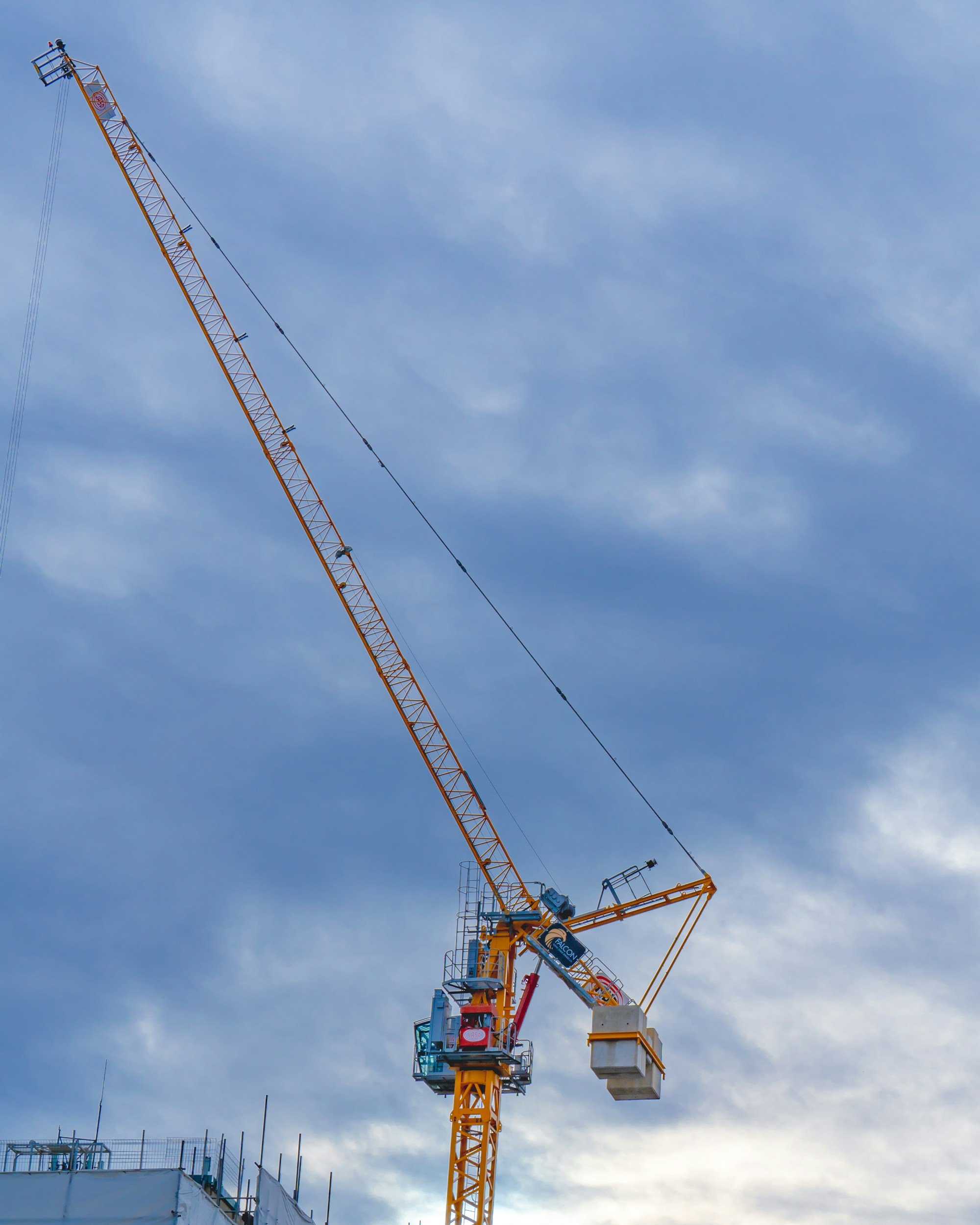
Prevent dropped-load events with stable rigging, exclusion zones, and competence verification.
WorkSafeBC’s “Preventing crane rigging failures” bulletin notes rigging failures have caused serious injuries and fatalities and provides an overview of how failures happen and how to reduce risks. The bulletin highlights two key controls: ensure rigging configuration does not allow load shift and enforce an appropriately sized exclusion zone below the load during lifting.
Lift planning should confirm weight, center of gravity, lift points, rigging selection, and travel path, and then define how the drop zone is physically controlled (barriers, signage, spotter authority). WorkSafeBC also provides hazard alerts on lifting point failures, reinforcing that lift points and attachments themselves are part of the critical control system.
Competence must be verified: inspection practices, rated capacity understanding, communication protocols, and stop-work authority. Document lift plans and verification as due diligence evidence.
-
Plan lifts around load stability and lift points; hard-control exclusion zones under suspended loads; verify rigging competence and inspection practices before critical lifts.