Electrical Safety for Utilities and Maintenance: De-Energization, Lockout, and Qualified Work
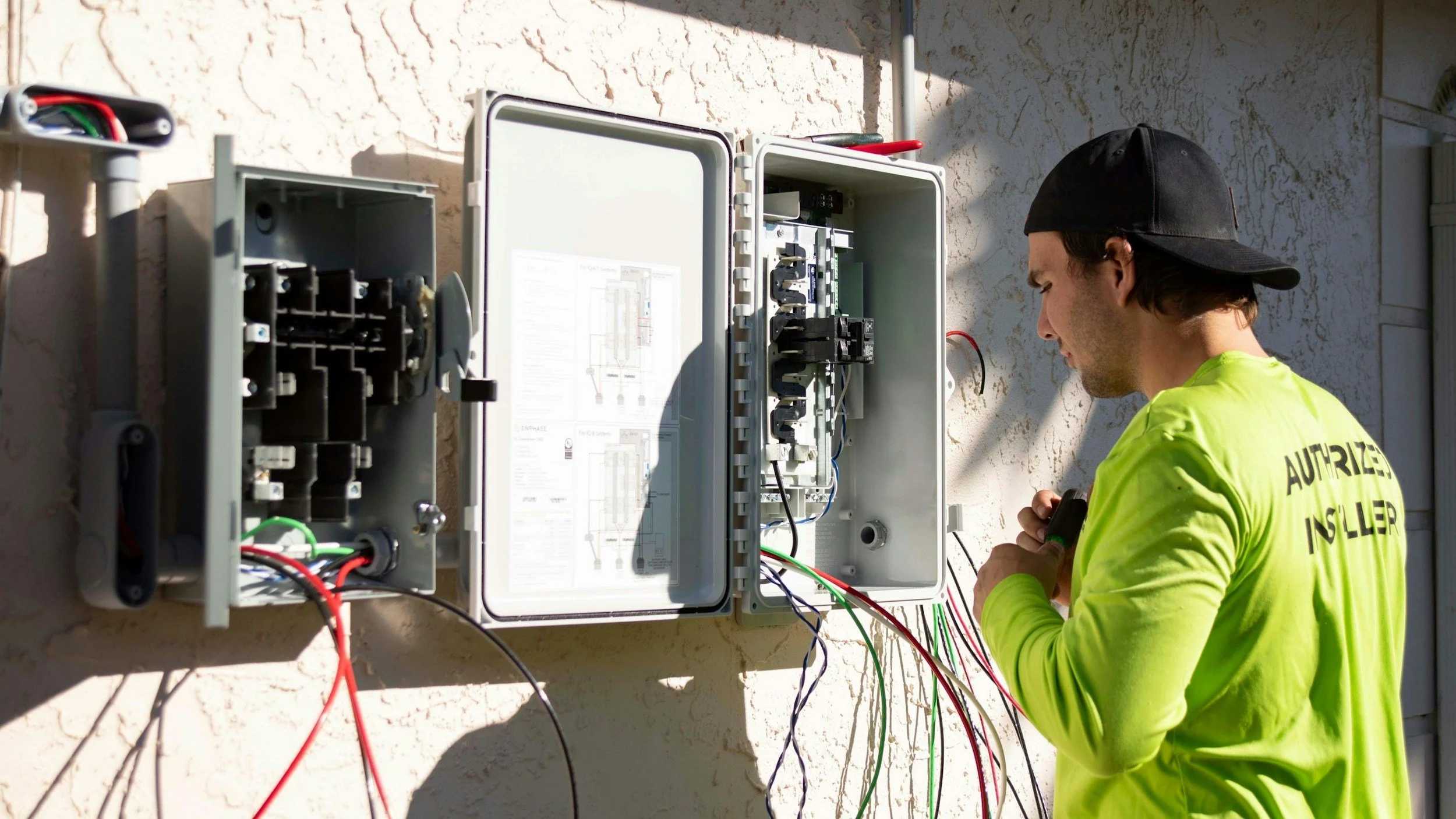
Reduce shock/arc flash risk through isolation, lockout, and qualified work practices.
Electrical work is high consequence due to shock and arc flash risk. WorkSafeBC highlights lockout and isolation requirements in OHSR Part 10 and provides guidance on controlling hazardous energy through de-energization and lockout. OHS Regulation Part 19 (Electrical Safety), reinforcing that electrical work is governed by structured requirements for working on or near energized equipment.
A defensible program emphasizes “de-energize by default,” controlled re-energization, and verification. Treat electrical isolation points as critical controls requiring documented procedures, worker authorization, and supervision checks. Integrate contractor coordination where multiple employers are involved.
-
De-energize and lockout as default; verify isolation and control re-energization; restrict work to qualified/authorized workers and document verification.