Mobile Equipment and Pedestrians: Traffic Management that Eliminates Line-of-Fire Exposure
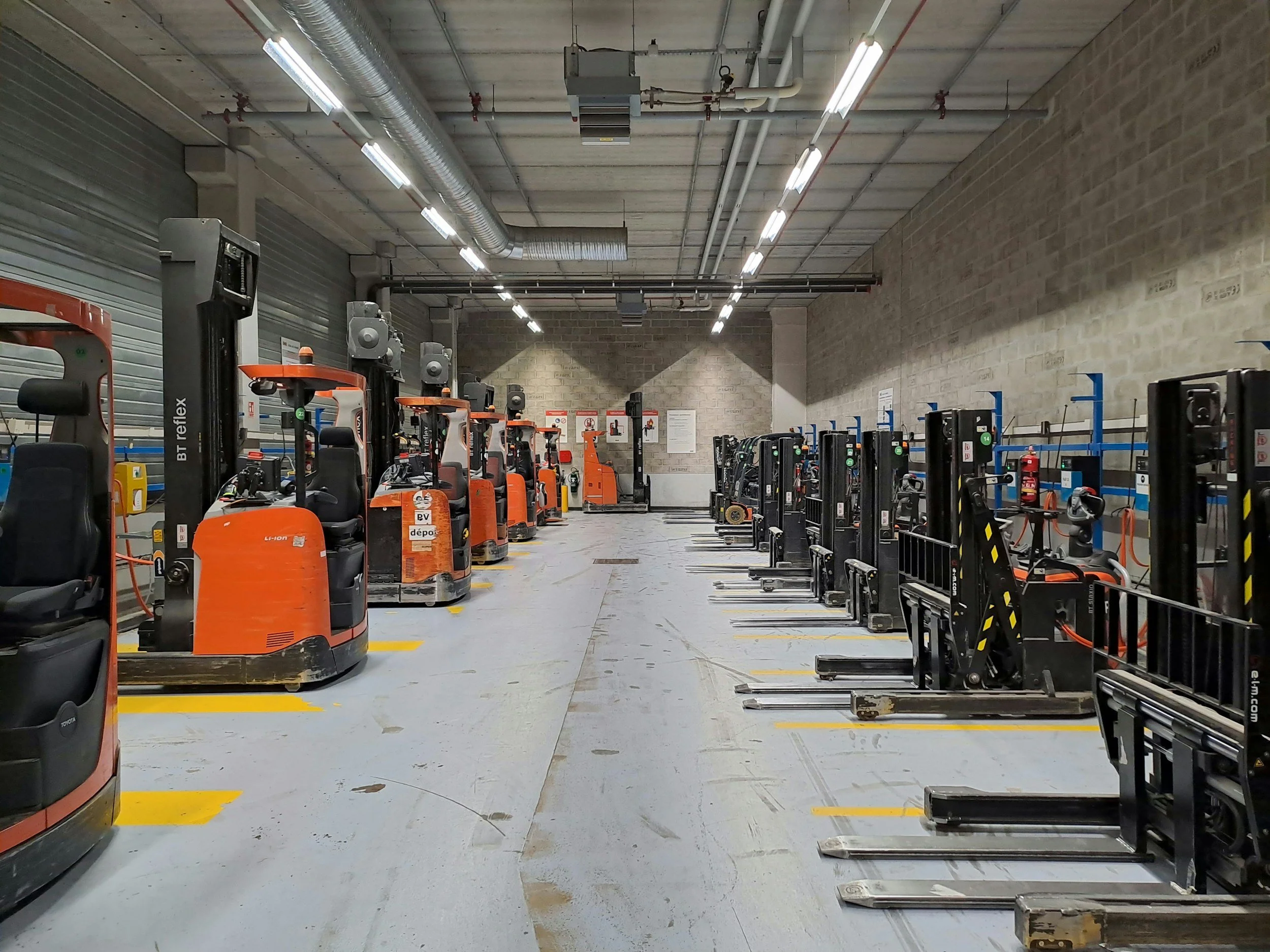
Use layered controls to prevent struck-by/run-over incidents.
WorkSafeBC’s struck-by bulletin states incidents occur where mobile equipment is used, with higher risk when operators have obstructed views, and recommends layered controls to minimize risk. BCCSA’s hazard guide describes mobile equipment hazards including struck-by/run-over and emphasizes hazard identification and control.
Start with separation: barriers, designated walkways, controlled crossings, one-way routes. Then layer administrative controls: speed limits, spotters, rules of engagement, visual/audible alarms. Manufacturing Safety Alliance’s mobile equipment guidebook reinforces that employers should develop programs ensuring safety for operators and nearby workers.
Verify by observation. Conduct “line-of-fire audits” and use near-miss learning to redesign traffic flow rather than relying on reminders.
-
Separate people from equipment with physical controls first; implement site traffic rules and supervision checks; use near-miss data to redesign flow and barriers.