Risk Assessments that Drive Field Action: A HIRA Workflow
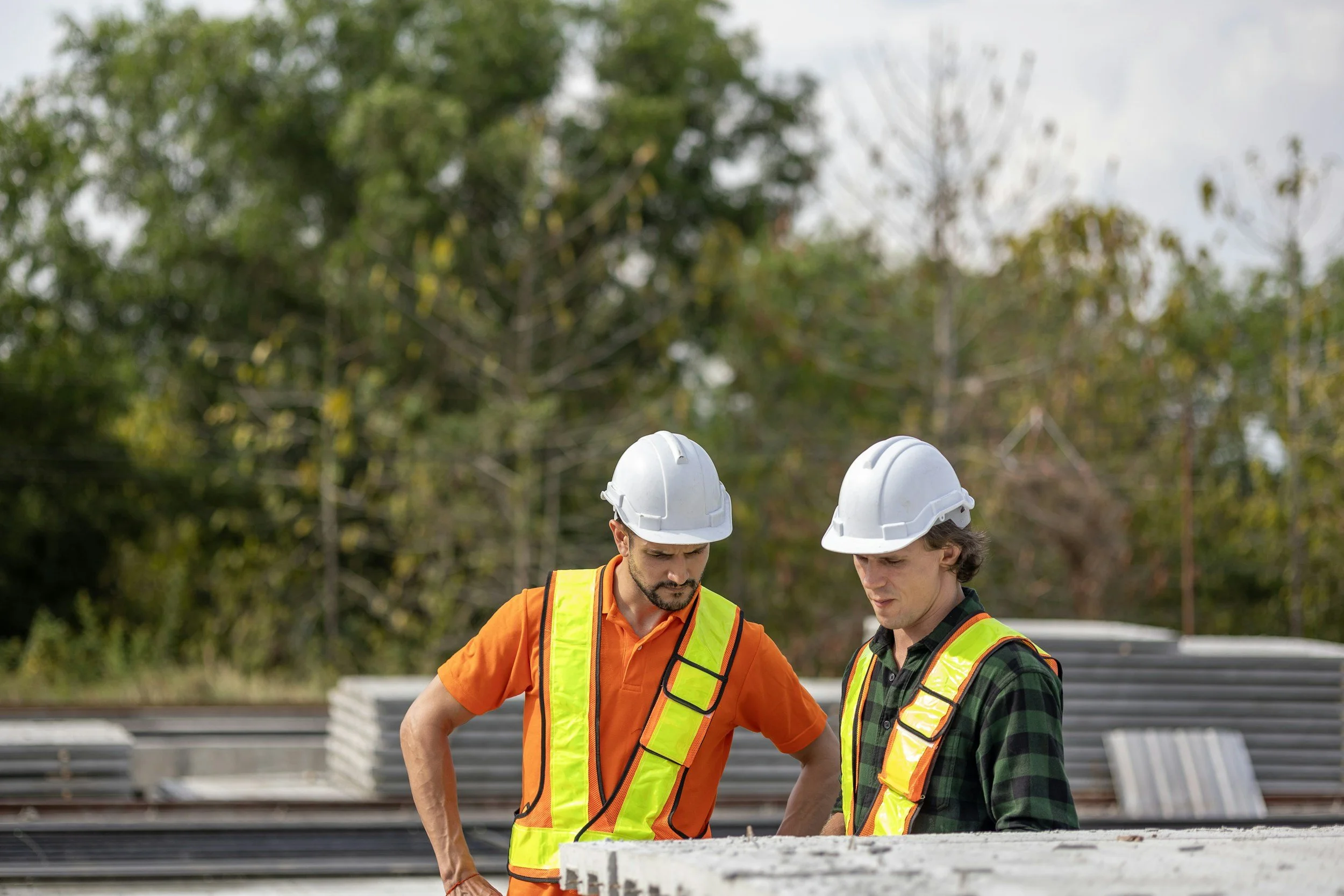
Build a risk assessment workflow that produces specific, verifiable controls for high-risk tasks.
Many organizations “do” risk assessments, but fewer use them to change how work is performed. A hazard identification and risk assessment workflow should answer three questions: what can harm people, how could it happen here, and what controls will prevent it (or reduce consequences) in this specific work context. The goal is not a form—it is a control decision that can be verified in the field.
A high-value workflow begins with task-level observation (not just workplace walkthroughs), then documents exposure pathways such as line-of-fire, pinch points, airborne contaminants, and contractor interface hazards. BCCSA’s hazard guide emphasizes structured identification and selecting controls through a focused, implementable approach. CCOHS frames the hierarchy of controls as a stepwise method that ranks controls from most effective to least effective.
“Field-actionable” assessments must produce outputs people can use: 3–7 critical controls, what “good” looks like, and when work must stop. For example, if mobile equipment is present, define physical separation and traffic flow; if work at height exists, engineer guardrails where feasible before relying on fall arrest; if a hazardous atmosphere is possible, treat the job as a confined space problem with permits, testing, and rescue readiness.
Close the loop by making risk assessment outputs auditable: supervisors verify controls onsite, and corrective actions feed revisions. This is how risk assessments generate due diligence evidence—because you can demonstrate learning and improvement, not static paperwork.
-
Write HIRAs around tasks and exposure pathways; define critical controls and verification steps; update risk assessments after changes or incidents.