Cold Stress and Winter Hazards: A BC OHSR-Aligned Cold Exposure Control Plan
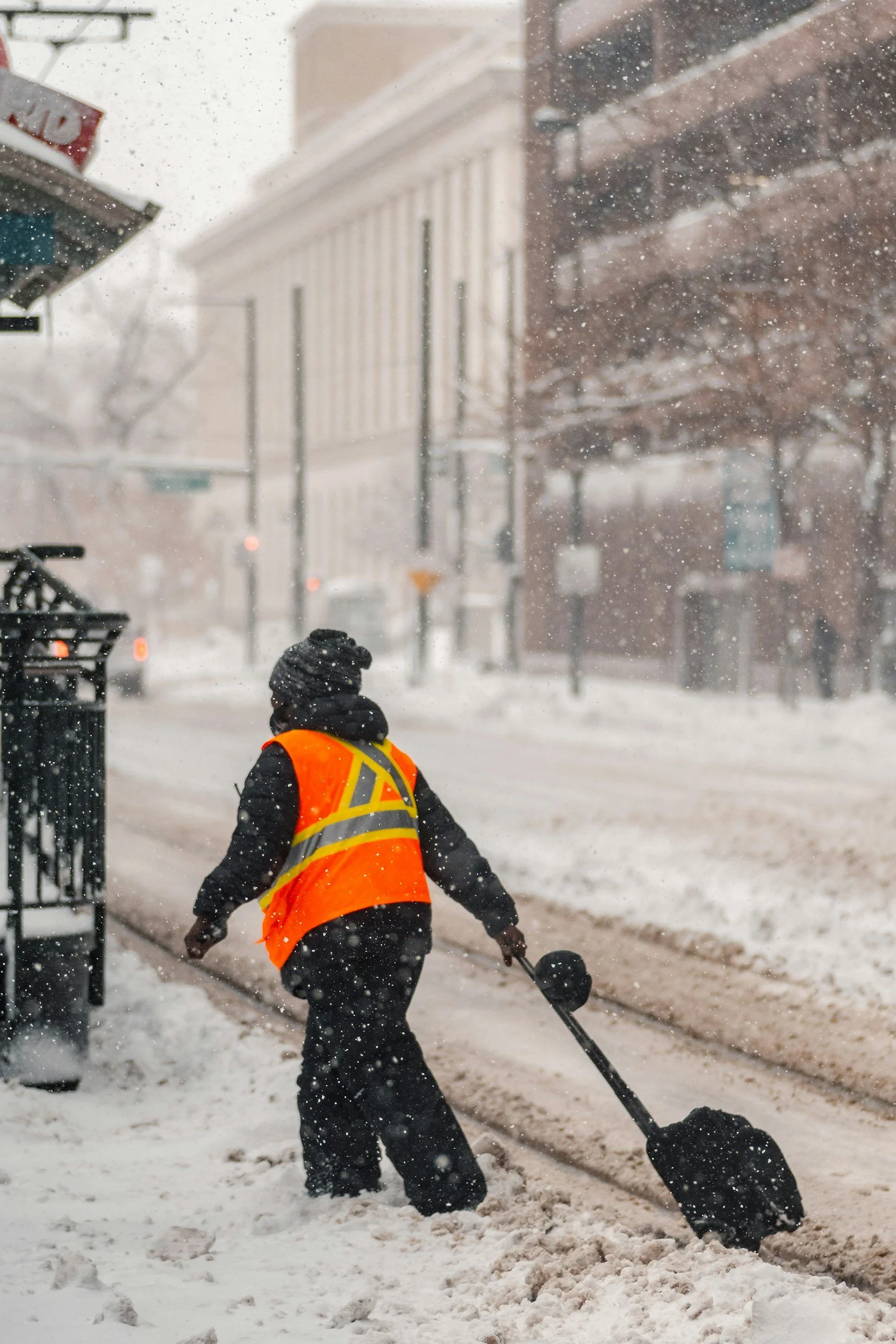
Prevent cold-stress injuries with layered controls, shelters, and planning.
WorkSafeBC’s construction project checklist references cold stress assessment and exposure control planning (including clothing/PPE and heated shelters), reinforcing that cold exposure requires structured controls. Slips/trips/falls also rise in winter; WorkSafeBC lists slips, trips & falls among hazards and provides prevention guidance. CCOHS similarly emphasizes housekeeping and walking surface quality as critical to preventing slips and trips.
Use a cold risk assessment (temperature, wind, precipitation, duration, contact with cold surfaces) and define control triggers: warm-up breaks, shelters, layered clothing, dry gloves, and surface treatment for ice. Document control implementation and adaptations as due diligence evidence.
-
Conduct cold stress assessments; provide shelters/PPE and schedule warm-up breaks; strengthen winter housekeeping and slip prevention.