Wildfire Smoke: Trigger-Based Work Modifications and Respiratory Protection that Fits
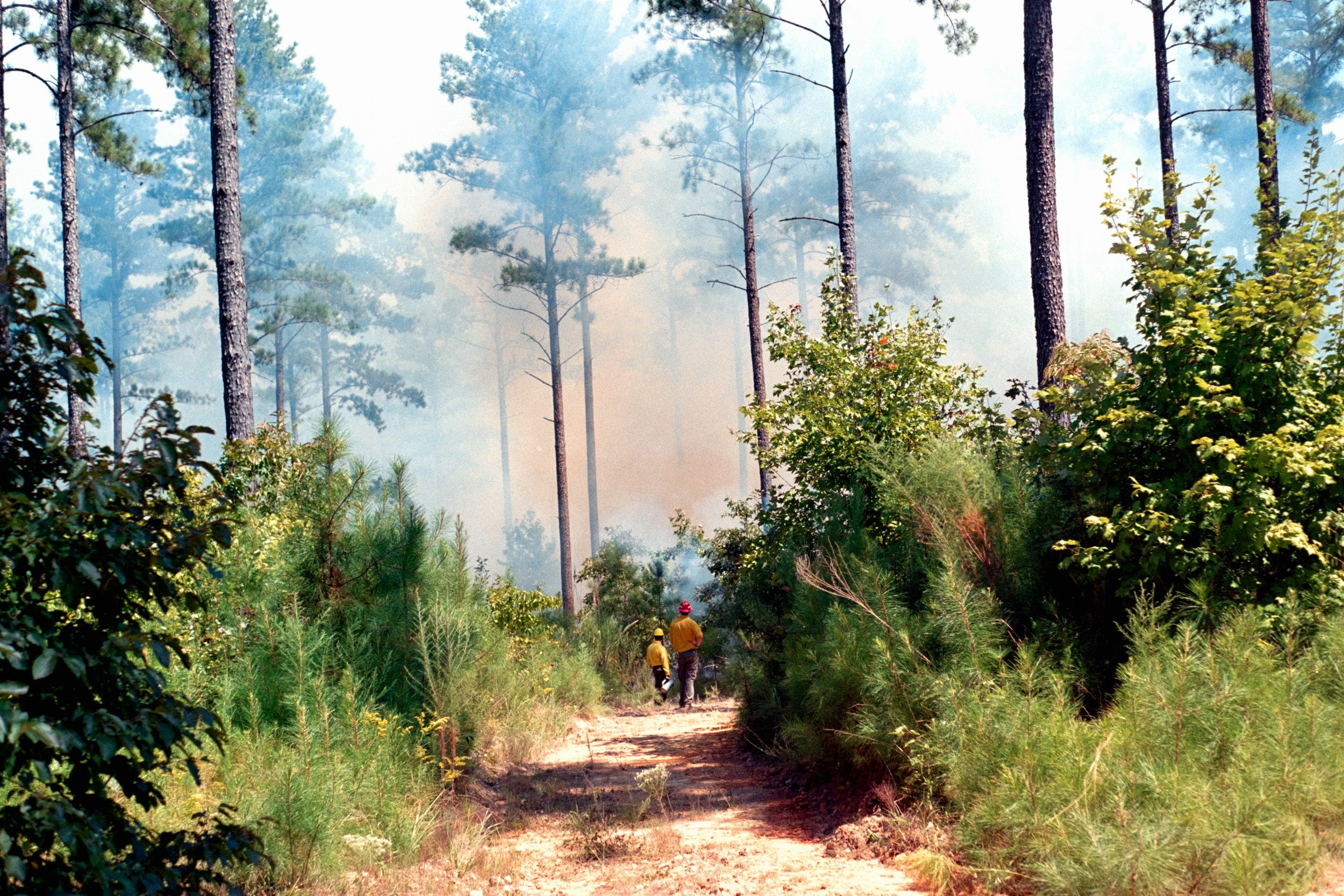
Reduce smoke exposure using work modifications and compliant respirator use when needed.
WorkSafeBC’s wildfire smoke FAQ identifies N95-type particulate-filtering respirators as common respiratory protection for smoke exposure and emphasizes minimizing exposure via controls and planning. WorkSafeBC repeatedly reminds employers to protect workers from wildfire smoke, reinforcing that smoke is treated as a hazard requiring employer action.
Use trigger-based controls: monitor air quality, reschedule/relocate work where feasible, reduce heavy exertion during bad smoke, and provide recovery breaks (intersects with heat stress controls). Where respirators are used, WorkSafeBC notes that workers needing N95-equivalent protection must pass fit testing on the respirator used. CCOHS outlines respiratory protection program elements including selection, fit testing, training, and evaluation.
-
Use air quality triggers to modify work; prioritize relocation and workload reduction; use fit-tested respirators within a written respirator program when needed.