Lockout and Hazardous Energy Control Under OHSR Part 10: Maintenance that Doesn’t Kill
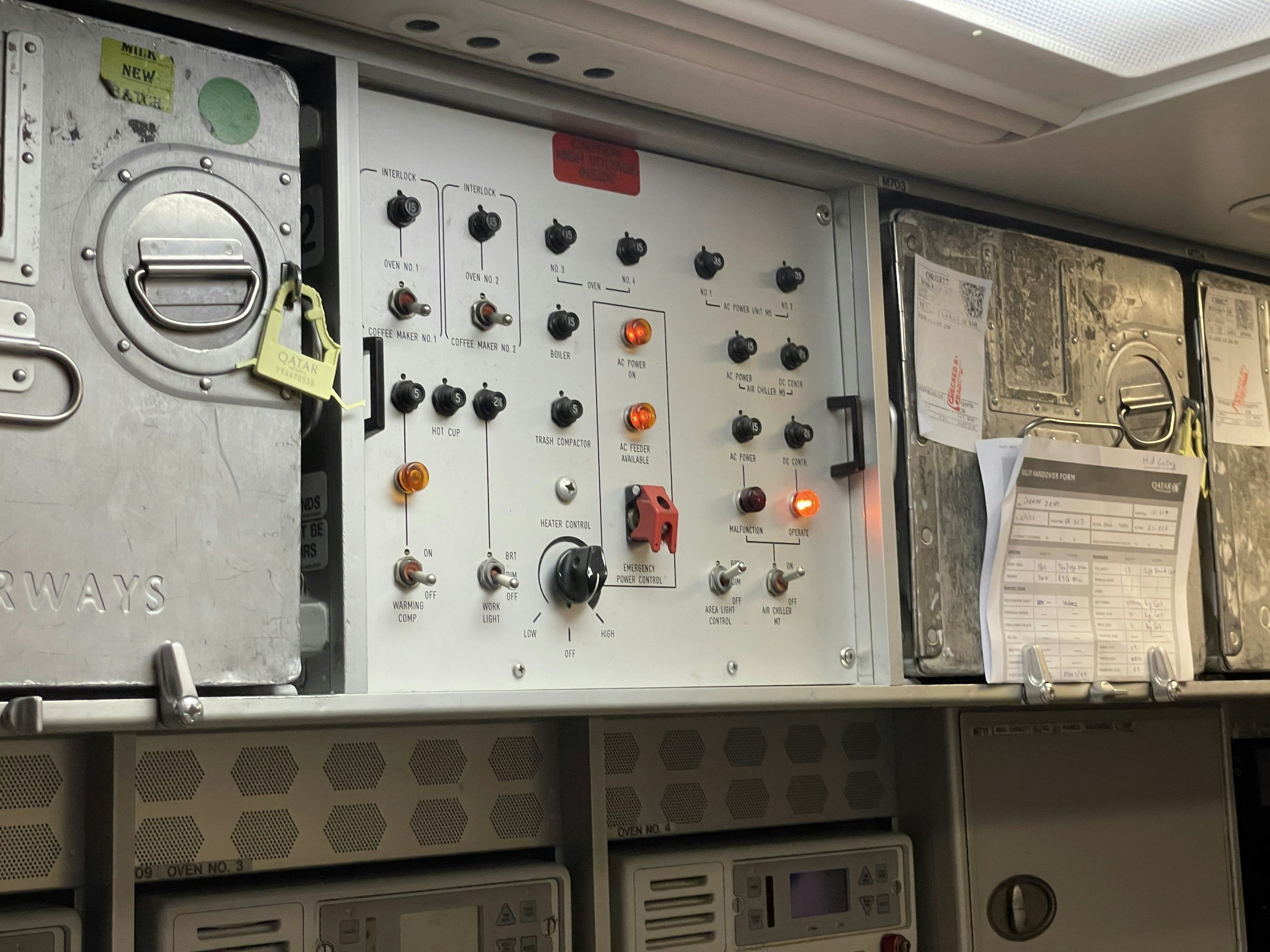
Prevent unexpected energization by implementing lockout as a system.
WorkSafeBC’s OHS Regulation Part 10 sets explicit expectations for de-energization and lockout to prevent unexpected energization/startup. The challenge for employers is not writing a lockout procedure—it is ensuring correct isolation points, verification, and control of re-energization.
Begin by mapping energy sources (electrical, pneumatic, hydraulic, mechanical, thermal). Then build lockout steps that include dissipation of stored energy and verification. Safety Alliance BC’s orientation model references Part 10’s purpose: preventing accidental or inadvertent startup that could injure workers during maintenance/repair.
Integrate lockout with supervision and contractor coordination. Verification records, training, periodic audits, and corrective action closure form the evidence chain supporting due diligence and showing lockout is treated as a critical control.
-
Build energy-source maps and isolation verification steps; train and authorize workers before exposure; audit lockout compliance and fix upstream failures.