Rescue After a Fall: Suspension Trauma, Retrieval Planning, and Drill-Ready Procedures
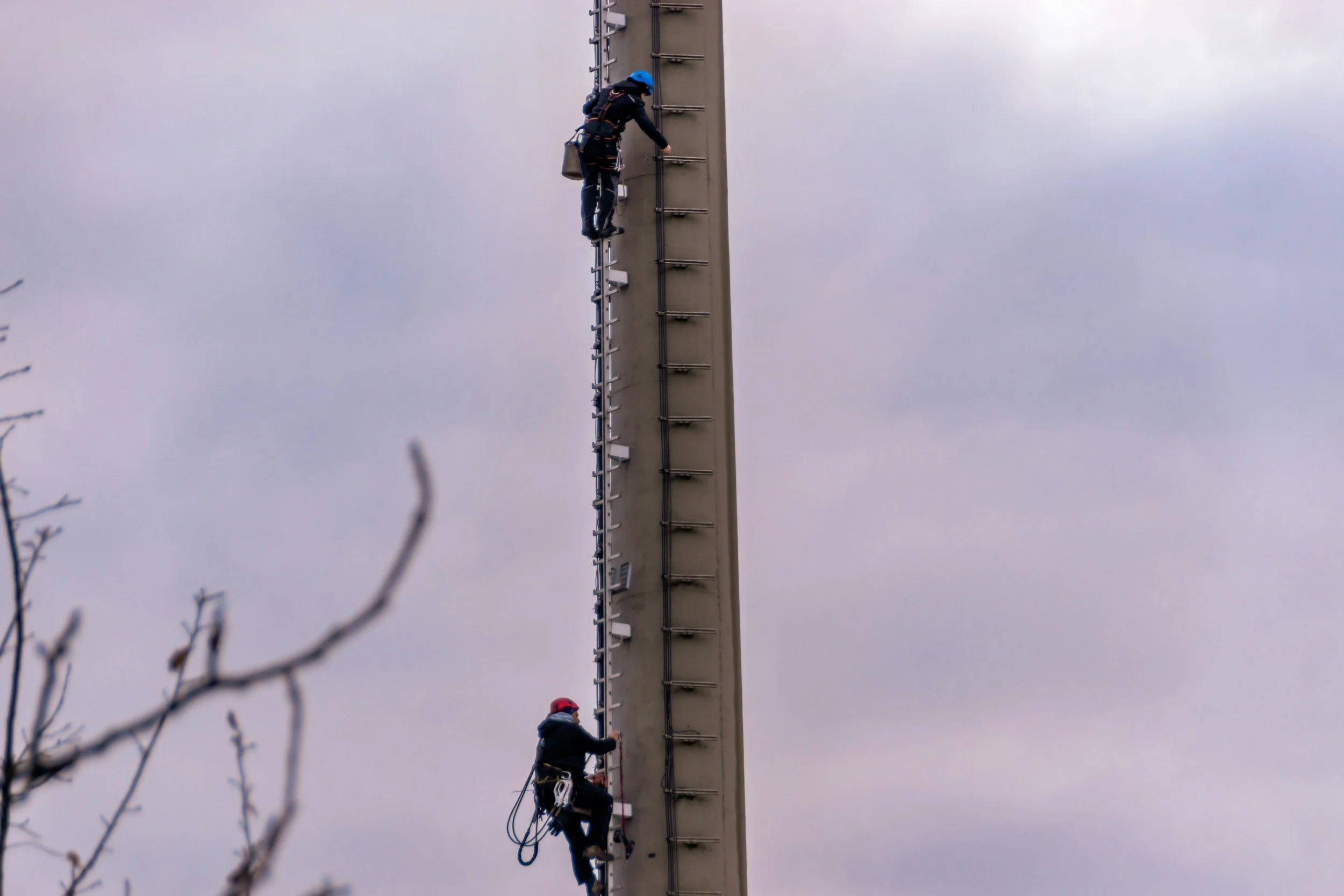
Build rescue as a planned control, not an emergency improvisation.
Fall arrest without rescue is incomplete risk control. BCCSA’s fall protection rescue guide emphasizes that calling emergency services is not enough: employers need a plan, specialized equipment, and trained personnel to ensure timely rescue.
Integrate rescue planning into each high-risk work plan by identifying where suspension could occur and selecting feasible rescue modes (self-rescue, ladder/lift retrieval, rope-based retrieval). Where multiple employers are involved, WorkSafeBC materials on prime contractor responsibilities emphasize emergency response planning and communication across onsite parties.
Competency requires practice. Run scenario-based drills based on likely environments (roof edges, mezzanines, scaffold-like work) and document lessons learned and corrective actions. The records (plan reviews, equipment inspections, drill logs) become due diligence evidence showing rescue was treated as a control.
-
Write and stage rescue for each fall-arrest scenario; drill with realistic constraints and document learning; integrate rescue into site emergency response planning.