Mining Occupational Health: Diesel Particulate, Silica, and Monitoring as Feedback
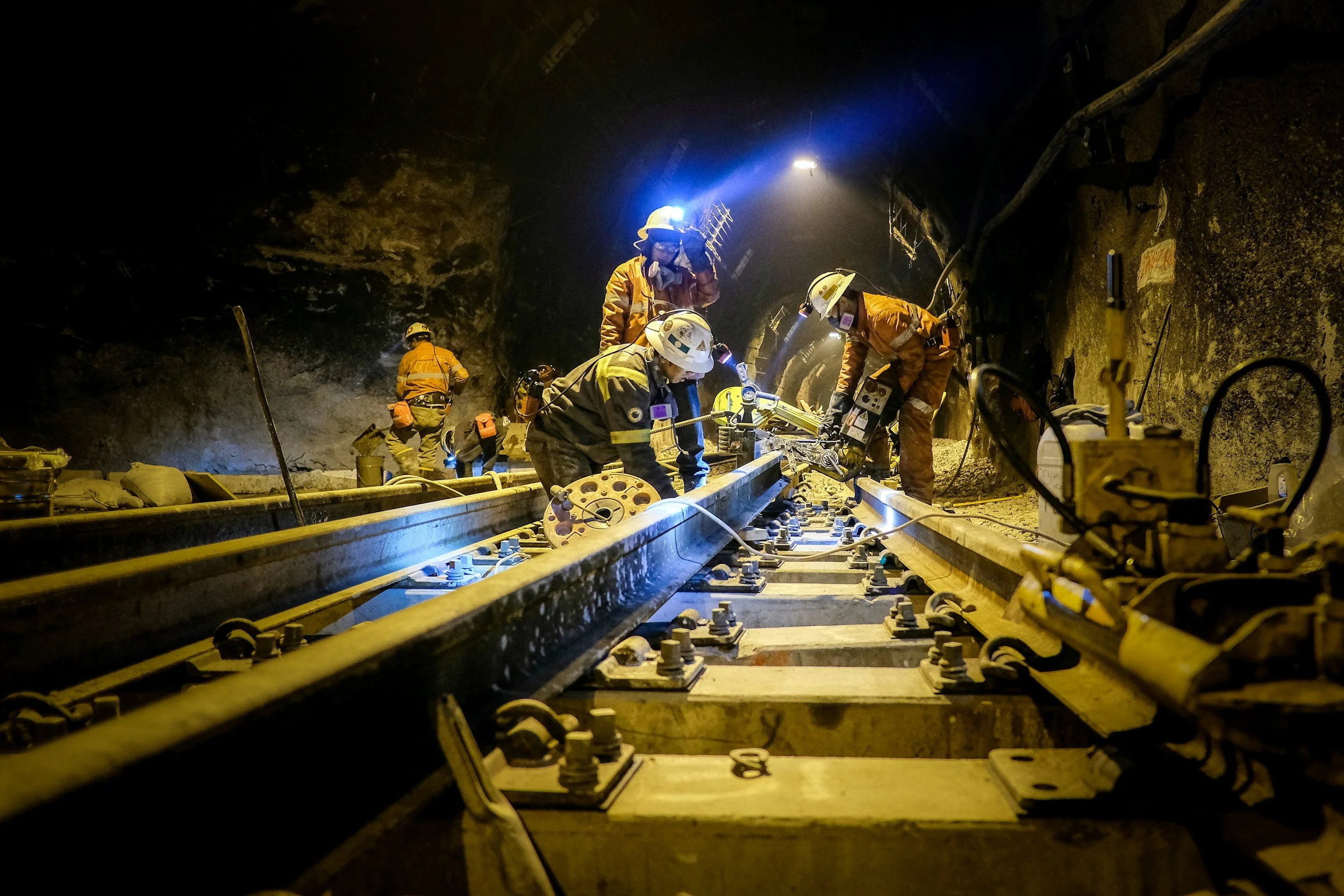
Use Mines Code requirements and exposure monitoring to drive continuous exposure reduction.
BC mining exposure control is anchored in the Health, Safety and Reclamation Code for Mines, including occupational health requirements and revisions related to exposures such as diesel particulate. WorkSafeBC also provide silica-related tools and versions of silica control resources adapted for mining contexts, reinforcing that silica remains a cross-sector hazard.
A practical mining hygiene program uses monitoring as feedback: measure exposures, improve ventilation and engineered controls, and verify control effectiveness via repeated sampling and field observation. Treat maintenance and operational changes (equipment changes, increased diesel equipment use, new geology) as triggers to reassess. Documentation of monitoring and corrective actions supports due diligence.
-
Build an exposure monitoring plan and act on results; prioritize ventilation/engineering control improvements; review and update controls when equipment or processes change.