Prime Contractor and Contractor Management on BC Projects: Clarifying Roles, Overlaps, and Verification
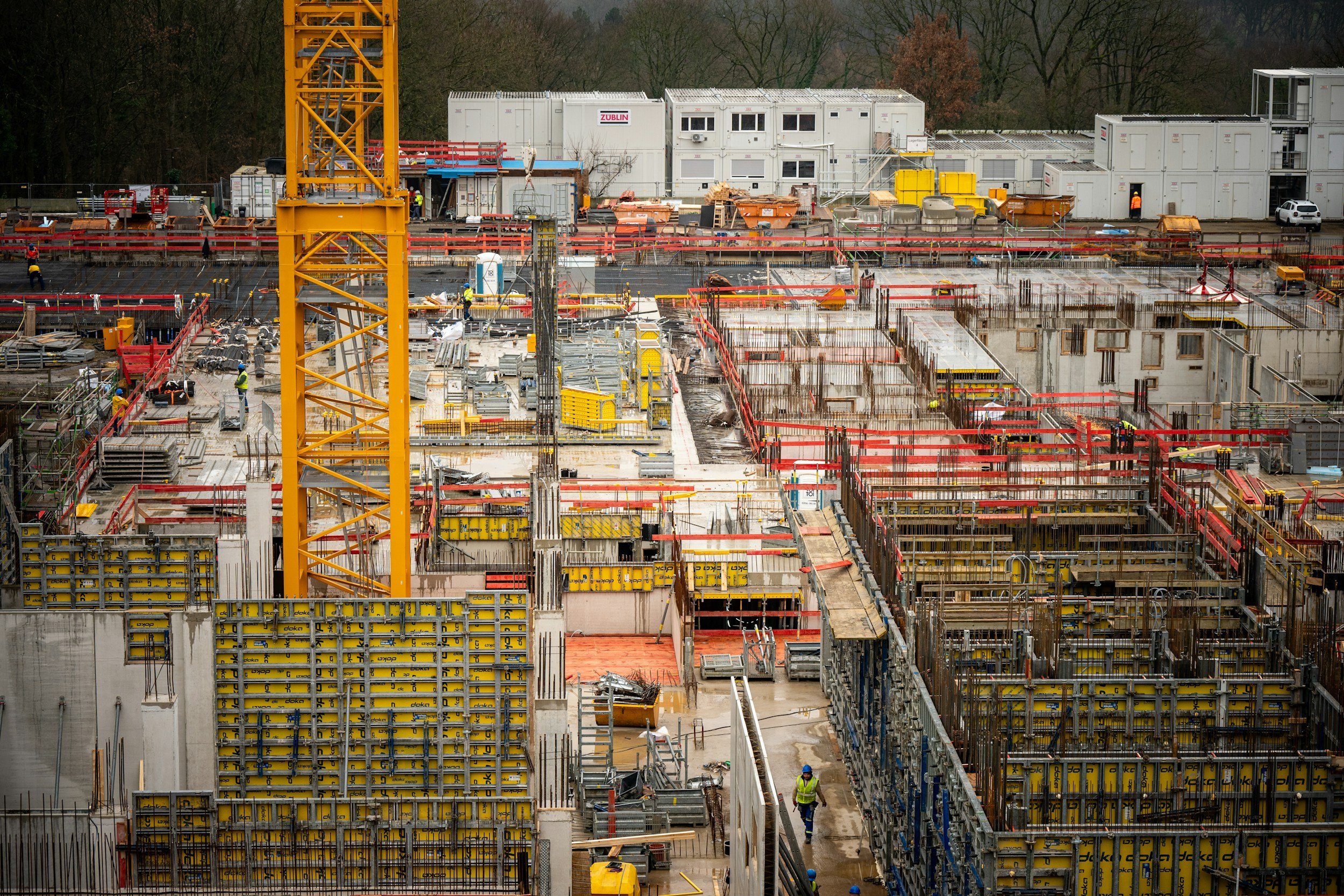
Prevent interface failures across subcontractors by defining authority and verifying critical controls.
Multi-employer workplaces create predictable failures: overlapping work, unclear authority, and controls that break at interfaces. WorkSafeBC describes prime contractor responsibilities in multiple-employer workplaces and emphasizes the prime should know workplace hazards and ensure risks are controlled effectively. WorkSafeBC also notes the prime contractor is responsible for establishing and communicating an emergency response plan suitable to the site and credible emergencies.
A practical contractor management system begins with interface hazard mapping: crane lifts over active work, shared access routes, shared energy sources, shared confined spaces, and traffic control overlaps. Then define minimum critical controls (permits, barricades/exclusion zones, traffic plans, lockout coordination) and require subcontractor alignment at onboarding (site orientation plus work-specific procedures).
Verification is decisive. WorkSafeBC’s support for OHS guideline interpretation and compliance emphasizes that written expectations must be translated into active controls. Use daily coordination huddles, short critical-control checklists, and targeted audits (e.g., lifts, fall protection, lockout) to prevent breakdown. Rigging guidance, for instance, emphasizes exclusion zones and stable rigging configuration to prevent catastrophic outcomes—precisely the kind of control that fails when subcontractors aren’t coordinated.
Magga Safety’s service explicitly support prequalification and job-bidding readiness by aligning safety documentation and practices with prime contractor/owner requirements—an internal link point that can be reinforced with contractor onboarding tools and audit support.
-
Map interface hazards and define minimum critical controls; require subcontractor onboarding tied to those controls; verify through short, frequent field checks.