Fall Protection Plans Under OHSR Part 11: Designing Work That Prevents Falls First
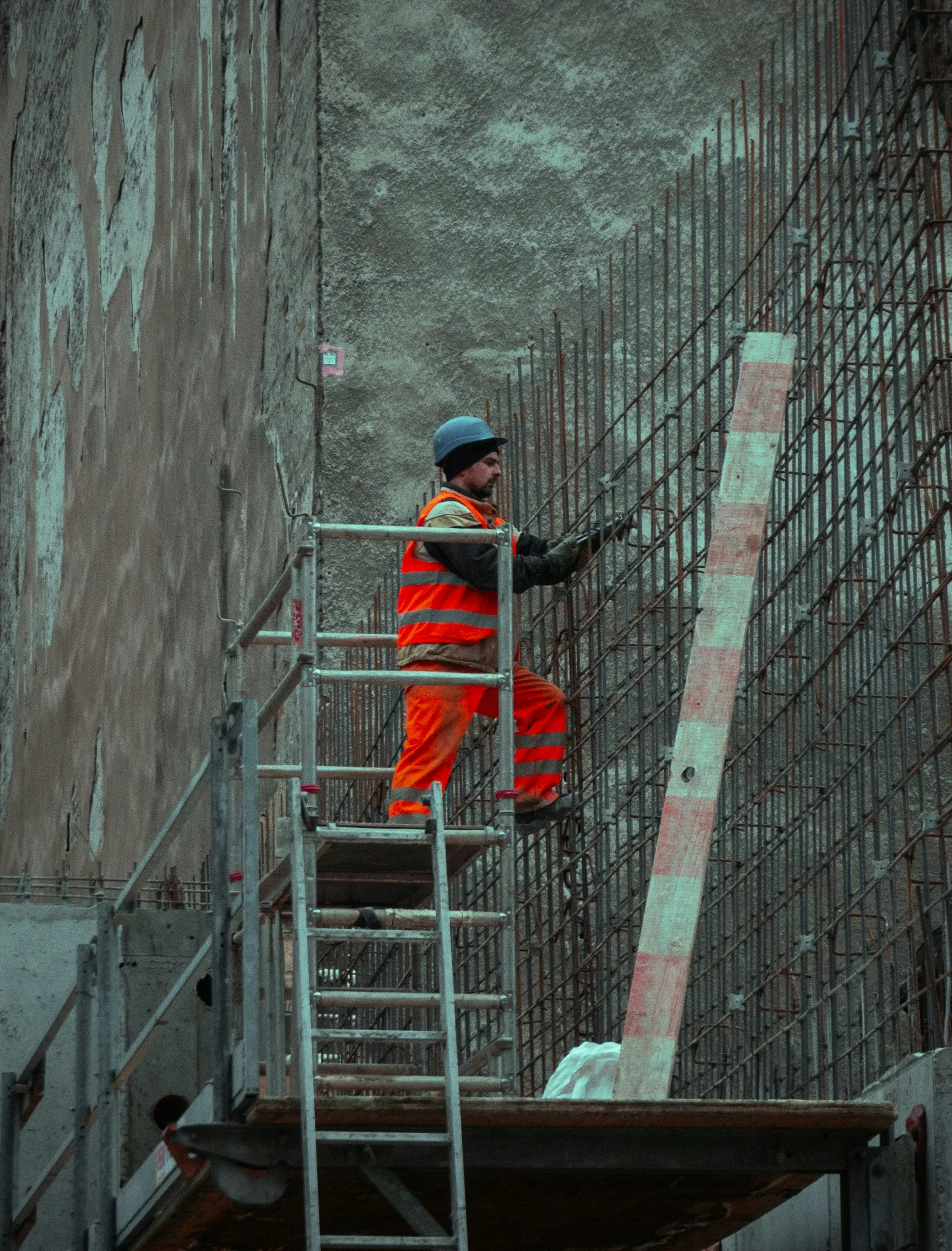
Apply fall protection requirements through hierarchy of controls and job planning.
WorkSafeBC states the OHSR requires fall protection when workers could fall 3 m (10 ft) or more, or from less than 3 m if the fall could cause serious injury. Fall protection planning is therefore a work-design activity: remove the fall exposure first, then add restraint/arrest when higher-level controls aren’t feasible.
Start with elimination/engineering: can the task be done from ground level, from an elevating platform, or behind engineered guardrails? BCCSA emphasizes engineered controls such as guardrails and control zones as primary prevention measures. If fall arrest is necessary, define anchors, hardware compatibility, inspection expectations, and clearance requirements.
Training and supervision are integral controls. Workers must distinguish restraint from arrest and know when to stop work if conditions change. Embed verification (pre-job checks, equipment inspections, supervisor observations) because due diligence depends on evidence that the system was implemented and enforced.
-
Default to eliminating fall exposure with guardrails/platforms; document system selection and anchor strategy; verify daily through inspections and supervision.