Respiratory Protection Programs: Fit Testing, Facial Hair, and Medical Assessment
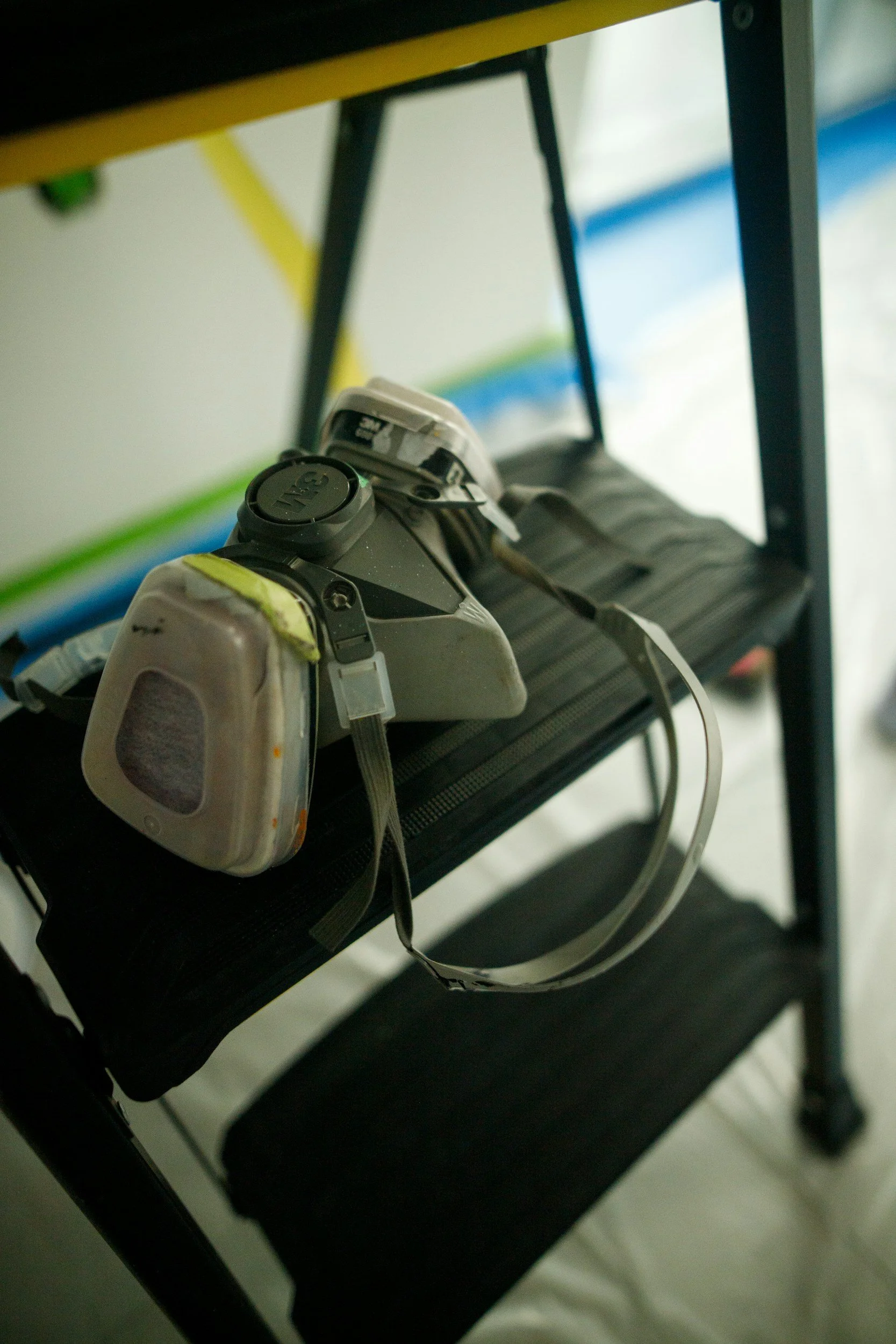
Implement a complete respirator program that ensures protection is real, not assumed.
CCOHS emphasizes respiratory protection should be managed through a written program including hazard identification, exposure assessment, selection, fit testing, training, cleaning/maintenance, health surveillance where needed, and program evaluation. WorkSafeBC’s guidance on alternative N95-type respirators explicitly notes fit testing is required on the specific respirator used, reinforcing that “equivalence” does not replace seal integrity.
Operationally, start with higher-level controls (ventilation, wet methods, enclosure), then select respirators for residual risk. Ensure workers know correct donning/doffing and PPE selection; WorkSafeBC infectious disease guidance stresses that capability. Incorporate fitness screening/assessment where appropriate because physical tolerance affects safe use.
-
Build a written respirator program (selection, fit testing, training, evaluation); enforce seal integrity; audit usage.