Sharps and Bloodborne Pathogens: Building a Needle/Sharps Injury Prevention System
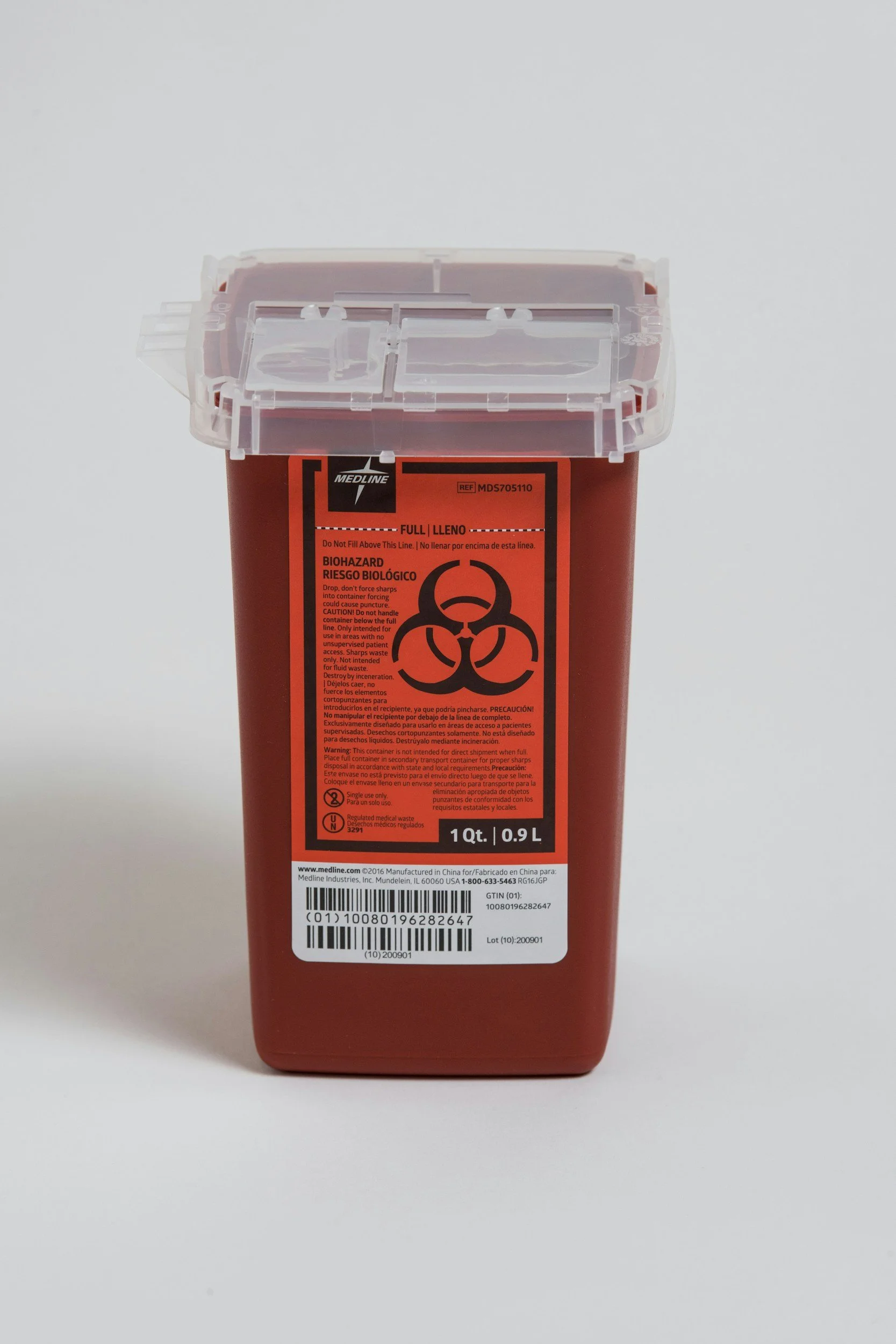
Prevent sharps injuries through engineered controls, disposal systems, and post-exposure protocol.
CCOHS emphasizes that an effective sharps disposal system is crucial to preventing needlestick injuries and should be readily available and used correctly. WorkSafeBC’s infectious disease guidance reinforces that PPE competence and correct procedures are essential to controlling biological exposure hazards.
Build controls at point of care: sharps containers positioned to prevent recapping/carrying and replaced before overfill. Standardize exposure response (immediate steps, reporting, medical follow-up) and use incident learning to correct workflow failures. WorkSafeBC OHSR Part 6 includes provisions relevant to biological hazards such as vaccination obligations for certain exposure risks (e.g., hepatitis B) when workers are at occupational risk.
-
Make disposal easy at point-of-use; standardize post-exposure reporting and response; audit sharps handling and container replacement as leading indicators.