Biosafety in Canadian Labs: Applying the Canadian Biosafety Standard in Daily Operations
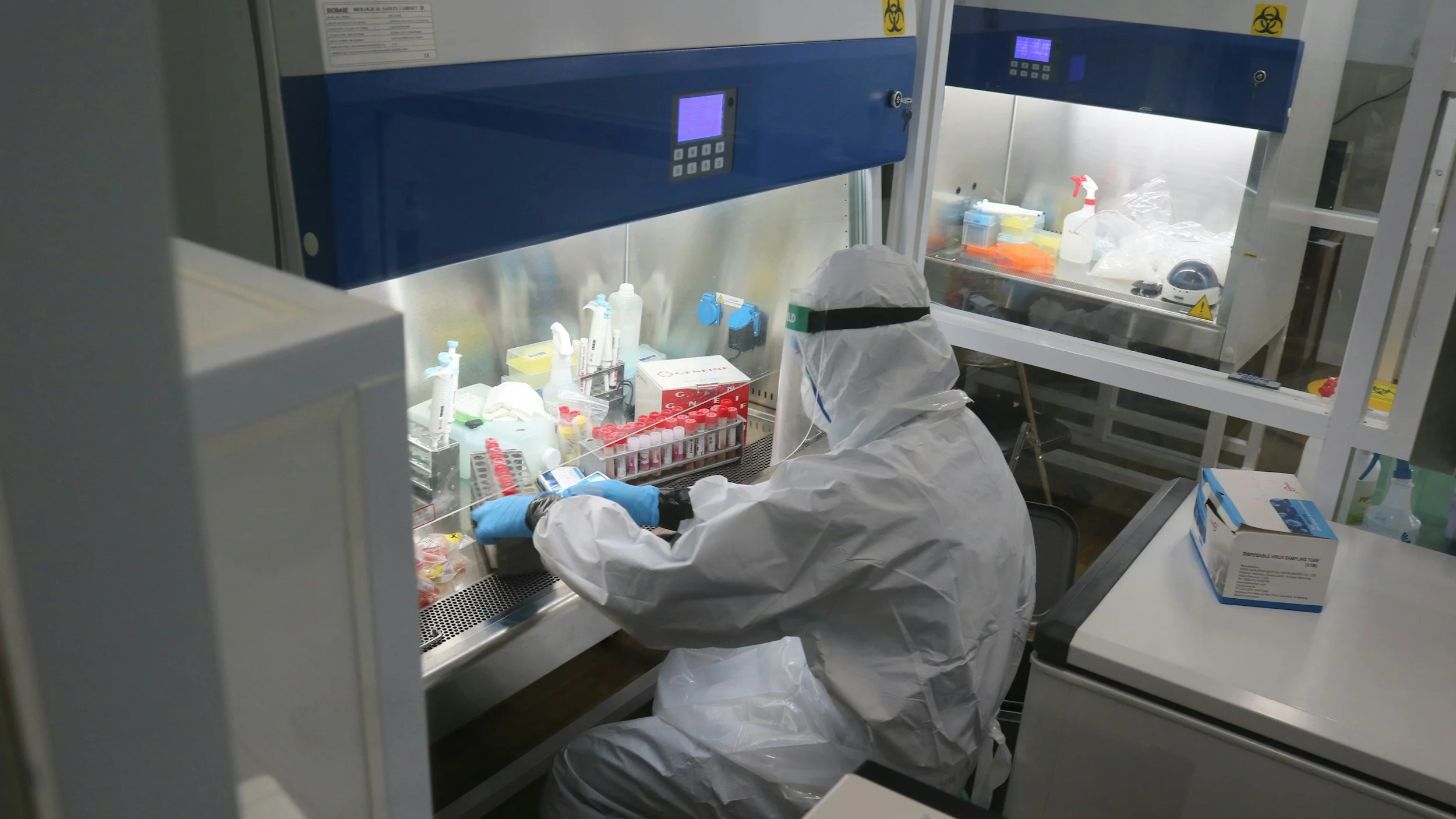
Translate biosafety standards into daily controls and verification.
Biosafety depends on routine risk assessment and controls. CCOHS frames routine practices around risk assessment, hand hygiene, environmental controls, administrative controls, and PPE—elements that translate well to lab biosafety operations. WorkSafeBC infectious disease guidance reinforces PPE selection and correct donning/doffing as expectations for preventing exposure.
Daily controls include decontamination logs and verified workflows for contaminated materials, engineered containment (e.g., biosafety cabinets), and sharps management. CCOHS emphasizes disposal systems are crucial for preventing needlestick/sharps injuries.
-
Run task-based biosafety risk assessments; verify decontamination and sharps controls with logs/audits; ensure PPE/respirator programs include training and fit verification where required.