WHMIS and Chemical Communication: Decanting, Workplace Labels, and SDS Literacy
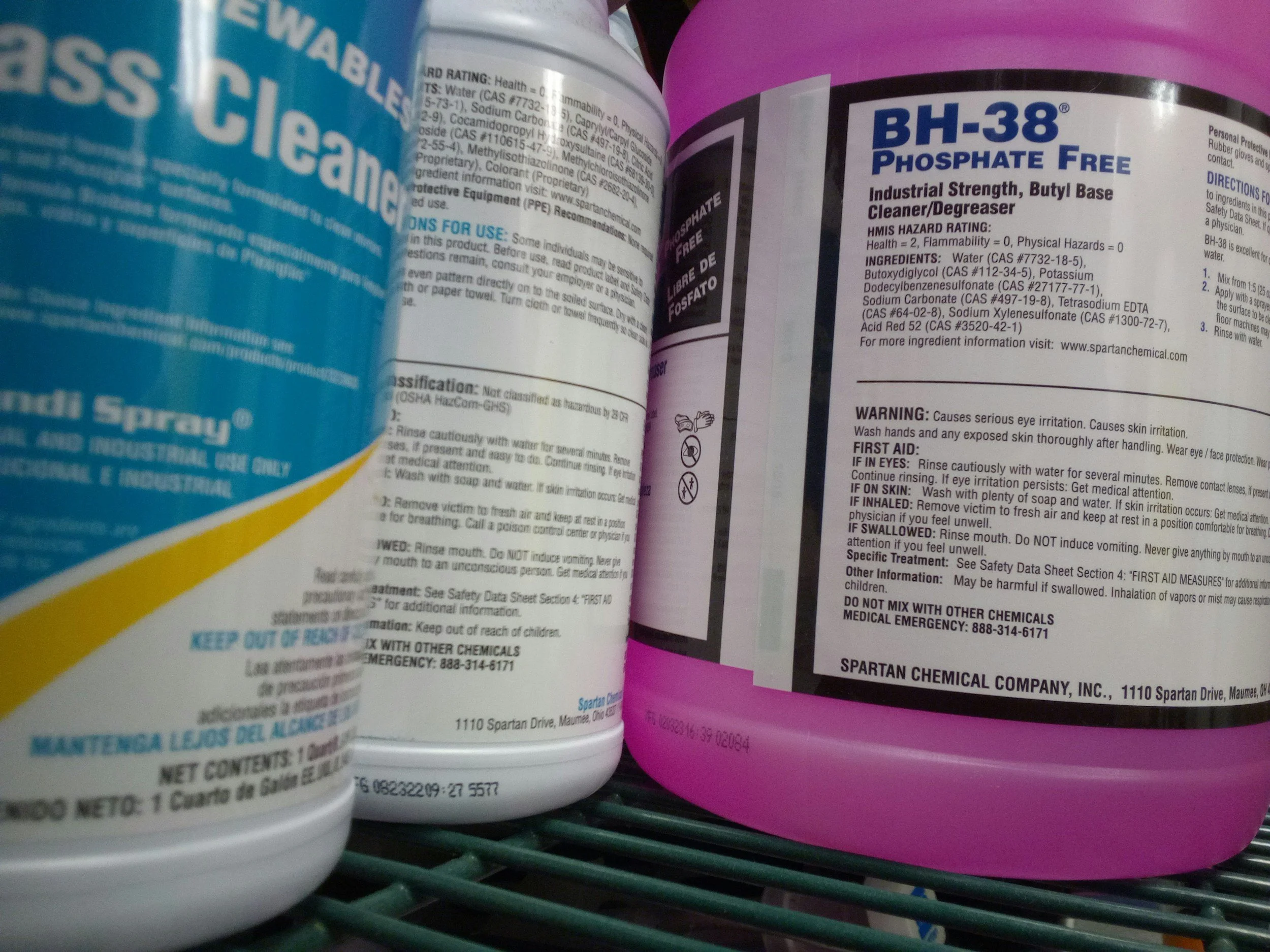
Prevent chemical exposures by ensuring hazard information is usable at point of work.
WorkSafeBC’s guidance for chemical agents and hazardous products emphasizes that workplaces must ensure access to hazard information and that worker understanding of controls and emergency response is a key expectation. WHMIS fails operationally when decanted containers are unlabeled or SDS information is not accessible during tasks.
Build a system: labels for all secondary containers, SDS availability (digital and/or physical), and task-level procedures that translate hazard information into controls (ventilation, spill response, PPE). Use supervisor verification: ask workers to demonstrate SDS retrieval and control selection during tasks.
Treat missing labels as leading indicators and correct upstream causes (procurement, inventory, training). This supports due diligence because it demonstrates prevention-oriented enforcement.
-
Audit secondary containers for labels; train workers to use SDS to select controls; verify comprehension through task demonstration and correct gaps immediately.