Exposure Control Plans Under OHSR: Designing Air-Contaminant Programs that Work
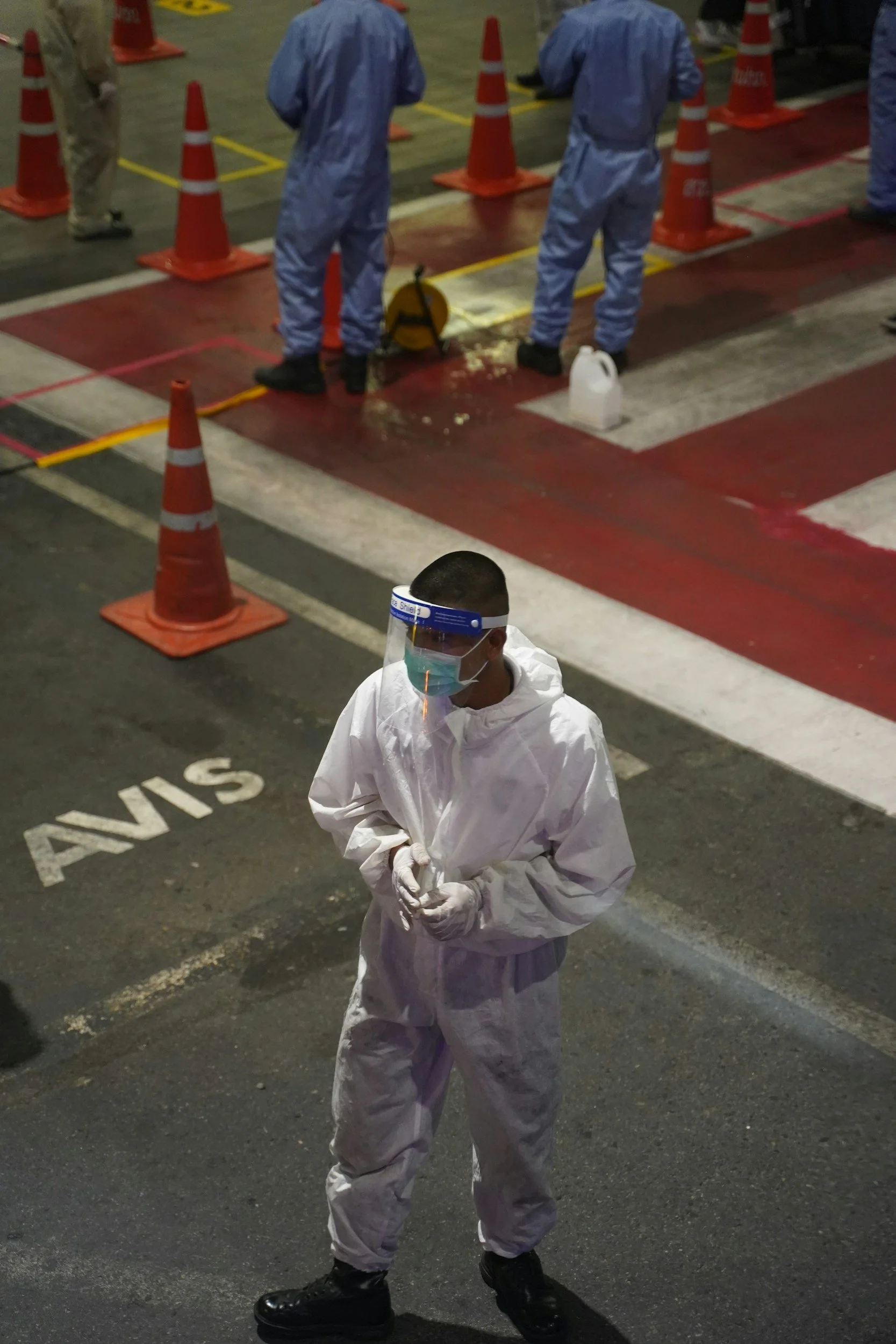
Design ECPs as living programs with monitoring, training, and review.
WorkSafeBC’s policy material on exposure limits and ACGIH TLVs explains that OHSR requirements are expected to keep exposures below established limits and that exposure control plans are a central mechanism for control. WorkSafeBC’s OHS Guidelines help interpret and apply OHSR requirements in practice.
Build ECPs around exposure scenarios (tasks, generation mechanisms, routes of entry). Prioritize engineered controls (LEV, enclosure, wet methods) and administrative controls; use PPE as residual.
Monitoring and verification makes ECPs credible: inspect control systems, track maintenance, conduct exposure monitoring where warranted, and update control strategies based on evidence and change. Document adaptation and review as due diligence evidence.
-
Build ECPs around tasks and exposure pathways; verify with inspections/monitoring and maintenance; update ECPs when programs or evidence changes.