Laboratory Chemical Safety in BC: From Receiving and Storage to Waste Disposal
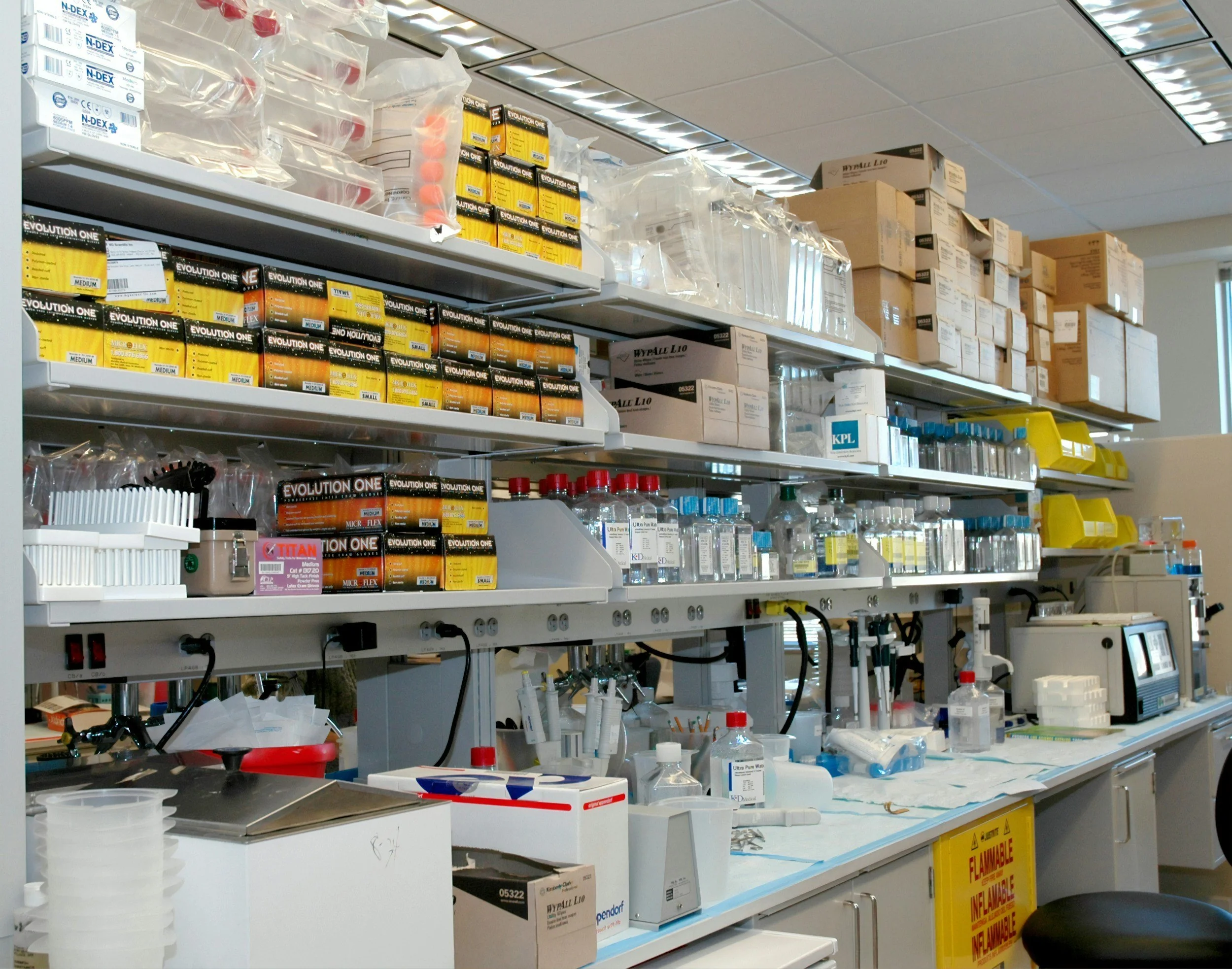
Control chemical lifecycle and emergency readiness.
Lab chemical incidents are commonly lifecycle failures: incompatible storage, unclear labels, weak spill readiness. WHMIS and hazardous product communication requirements apply in BC workplaces, including labs.
Control starts at receiving: SDS verification and acceptance criteria. Storage must reflect compatibility segregation and secondary containment, with ventilation for volatile chemicals. Use engineered controls consistent with hierarchy: ventilation and enclosures reduce exposure at the source. PPE programs must be hazard-based and fit appropriately; CCOHS provides program design guidance to ensure PPE is effective and does not create new hazards.
Emergency readiness includes spill kits matched to inventory, eyewash access, and practiced response protocols. Keep evidence (inspection logs, training verification, spill response drills) as due diligence artifacts.
-
Control the chemical lifecycle; segregate storage by compatibility and verify labeling; drill spill response and document readiness.